How to Read Charts for Market Analysis

The Importance of Understanding Chart Data

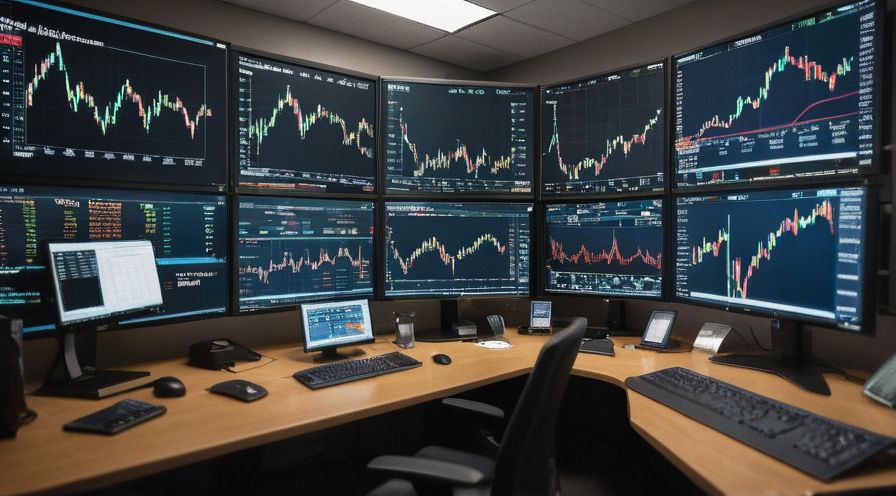
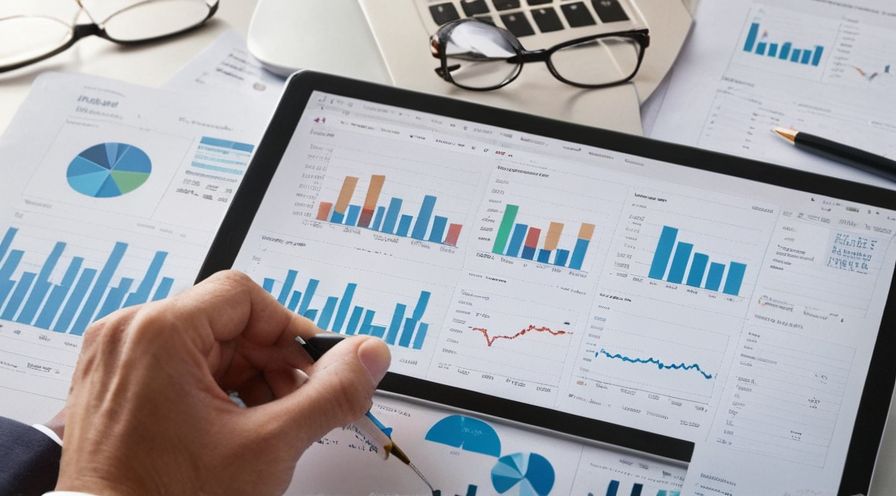
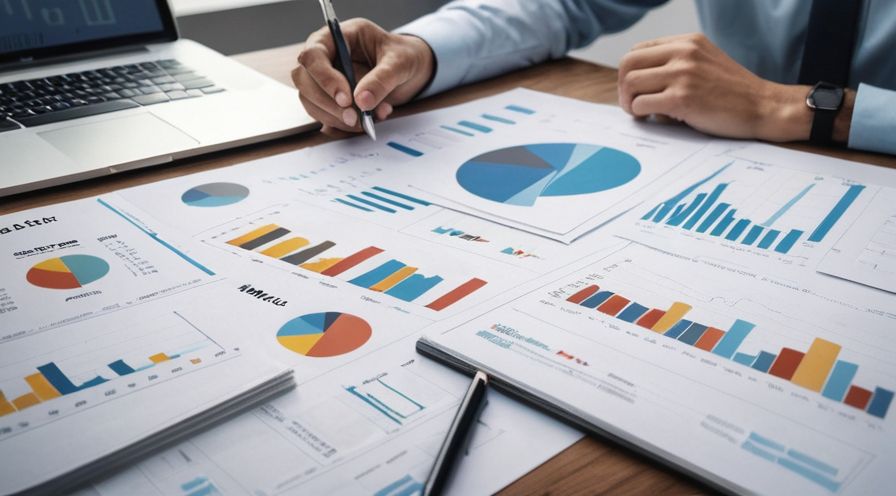
When it comes to market analysis, understanding how to read and interpret charts is crucial for making informed decisions. Whether you are a trader, investor, or analyst, the ability to analyze chart data is an essential skill that can provide valuable insights into market trends and price movements.
Inhaltsverzeichnis

Recognizing Patterns and Trends

One key aspect of reading charts is the ability to recognize patterns and trends. This involves identifying common chart patterns such as head and shoulders, triangles, and flags, as well as understanding the significance of trendlines. By recognizing these patterns and trends, analysts can gain a better understanding of potential future price movements and market sentiment.

Utilizing Technical Indicators

In addition to recognizing patterns, understanding how to use technical indicators is also important for chart analysis. Technical indicators such as moving averages, relative strength index (RSI), and Bollinger Bands can provide valuable information about momentum, overbought or oversold conditions, and potential trend reversals. By incorporating these indicators into chart analysis, analysts can enhance their decision-making process.

Deine Produktbezeichnung

Ergänze hier optional ein paar weiteren Details zu diesem Produkt

0,00€

Super Produkt

Interpreting Chart Patterns

Another critical aspect of reading charts is the ability to interpret chart patterns and indicators in the context of market psychology and behavior. This involves understanding the underlying factors driving price movements, market sentiment, and the psychological impact on trading decisions. By interpreting chart patterns in this broader context, analysts can make more informed predictions about future market movements.

Analyzing Volume and Price Relationships

Volume is a key component of chart analysis, as it provides insights into the strength of price movements. Understanding the relationship between volume and price can help analysts confirm the validity of chart patterns and identify potential trend reversals. By analyzing volume alongside price movements, analysts can gain a more comprehensive view of market dynamics.

Deine Produktbezeichnung

Ergänze hier optional ein paar weiteren Details zu diesem Produkt

0,00€

Super Produkt

Putting It All Together

Ultimately, successful chart analysis requires the ability to synthesize all the information gleaned from charts, patterns, indicators, and volume analysis. By combining these elements, analysts can develop a holistic view of the market and make well-informed projections about future price movements. This comprehensive approach is essential for anyone looking to effectively utilize chart data for market analysis.

In conclusion, understanding how to read and interpret charts is a fundamental skill for anyone involved in market analysis. By recognizing patterns, utilizing technical indicators, interpreting chart patterns in the context of market psychology, analyzing volume and price relationships, and synthesizing all available information, analysts can gain valuable insights into market trends and make informed decisions based on chart data.

Produktbezeichung 1

0,00€

Produktbezeichung 2

0,00€

Produktbezeichung 3

0,00€

Produktbezeichung 4

0,00€

Inhaltsverzeichnis

Deine Produktbezeichnung

Ergänze hier optional ein paar weiteren Details zu diesem Produkt

0,00€

Super Produkt

Deine Produktbezeichnung

Ergänze hier optional ein paar weiteren Details zu diesem Produkt

0,00€

Super Produkt

Deine Produktbezeichnung

Ergänze hier optional ein paar weiteren Details zu diesem Produkt

0,00€

Super Produkt

Bewerte diesen Artikel

[yasr_visitor_votes]

Das könnte dich interessieren…

Langfristige Anlagestrategien

Daytrading Strategien

Diversifikation richtig angehen

Grundlagen der Fundamentalanalyse

Risikomanagement Strategien

Schreibe einen Kommentar

Deine E-Mail-Adresse wird nicht veröffentlicht. Erforderliche Felder sind mit * markiert